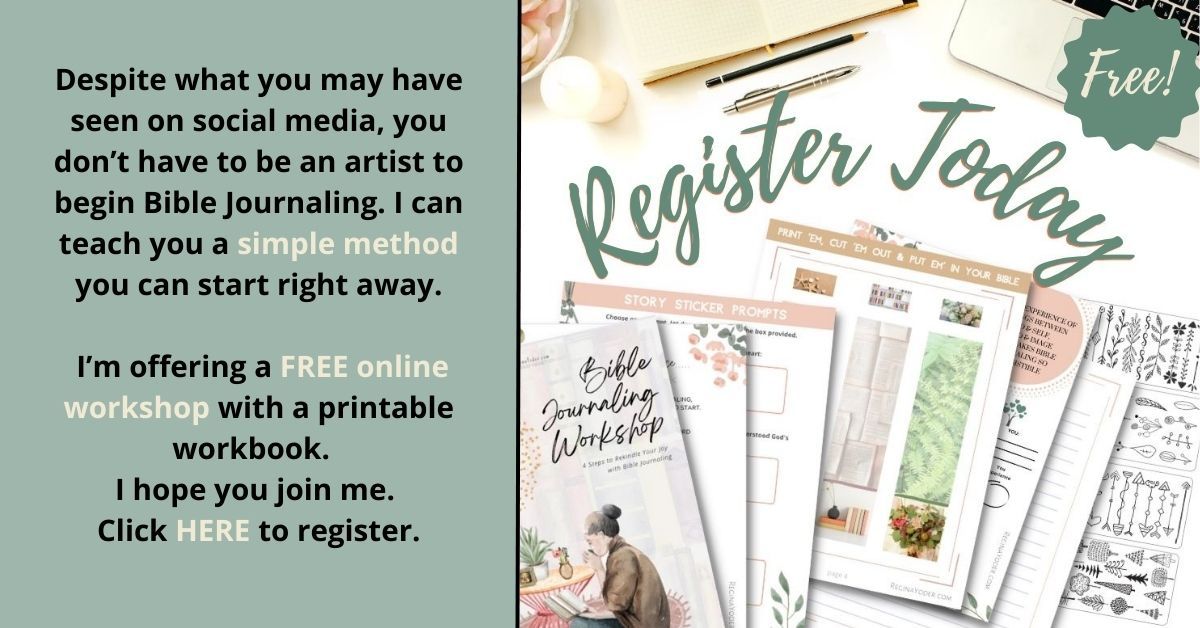
How to Simplify Bible Journaling (so you'll actually start)

Have you ever thought about trying Bible journaling, but then you scroll social media and see all the beautiful pages and think, “I’d love to do that… but why does it have to look so complicated?”
If that’s you, I have good news.
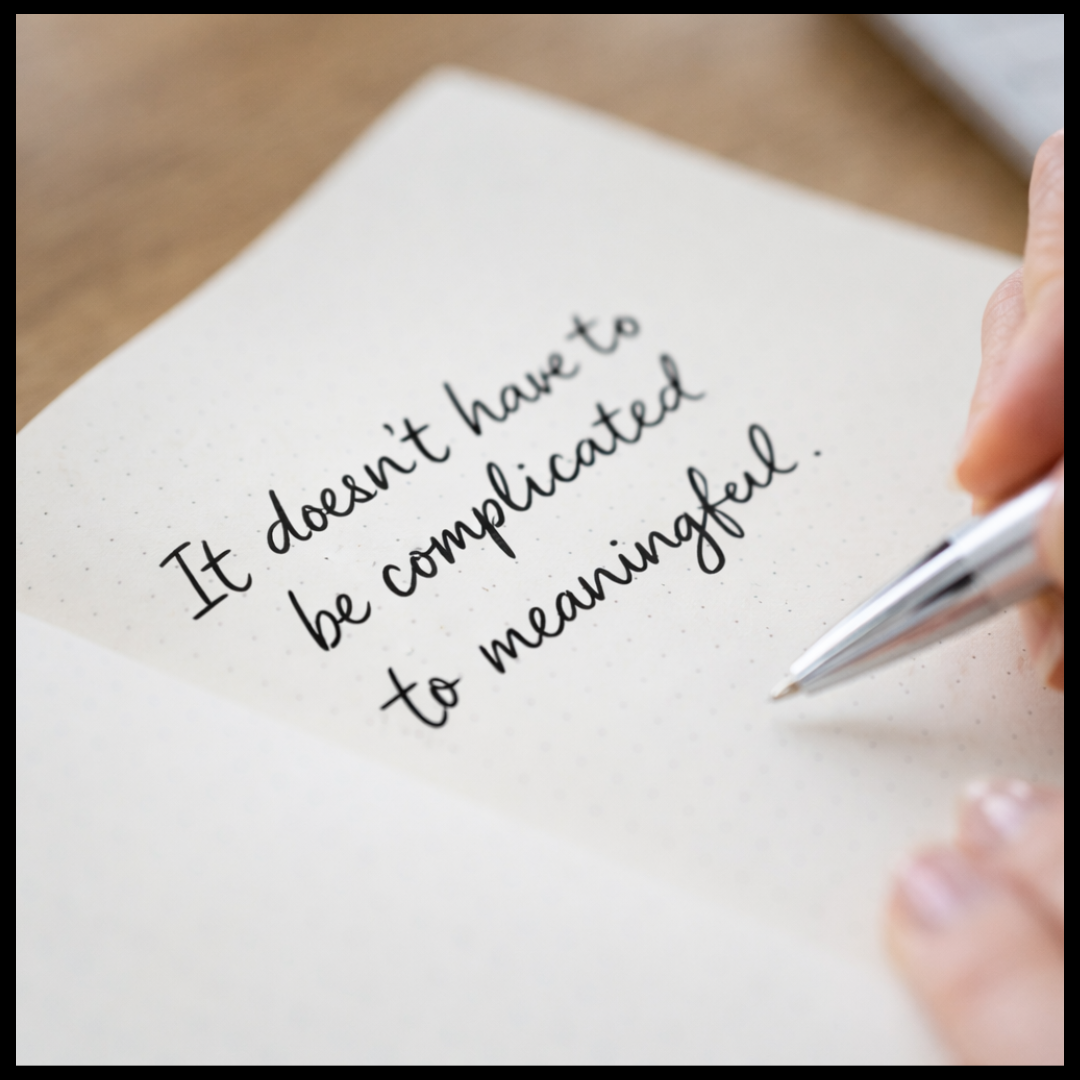
It does not have to be complicated.
And you absolutely do not need to be an artist to get started.
Bible journaling is not about creating a masterpiece. It’s about connecting with God’s Word in a personal way and responding to what He’s showing you. It’s about relationship, not perfection. It’s about engaging with scripture, not performing for social media.
So if you’ve been feeling intimidated, let’s make this easy.
Bible Journaling Is Personal, Not Perfect
Before we talk about supplies or techniques, I want to say this first: Bible journaling is a personal journey.
It’s a way to slow down, spend time with scripture, and express what God is speaking to your heart. Sometimes that looks like notes in the margin. Sometimes it’s a highlighted phrase. Sometimes it’s a sticker and a prayer. And sometimes it’s just one verse and a few honest words.
That counts.
You don’t need fancy handwriting.
You don’t need drawing skills.
You don’t need a huge collection of supplies.
You just need a willing heart and a place to begin.

1) Start with the Basics
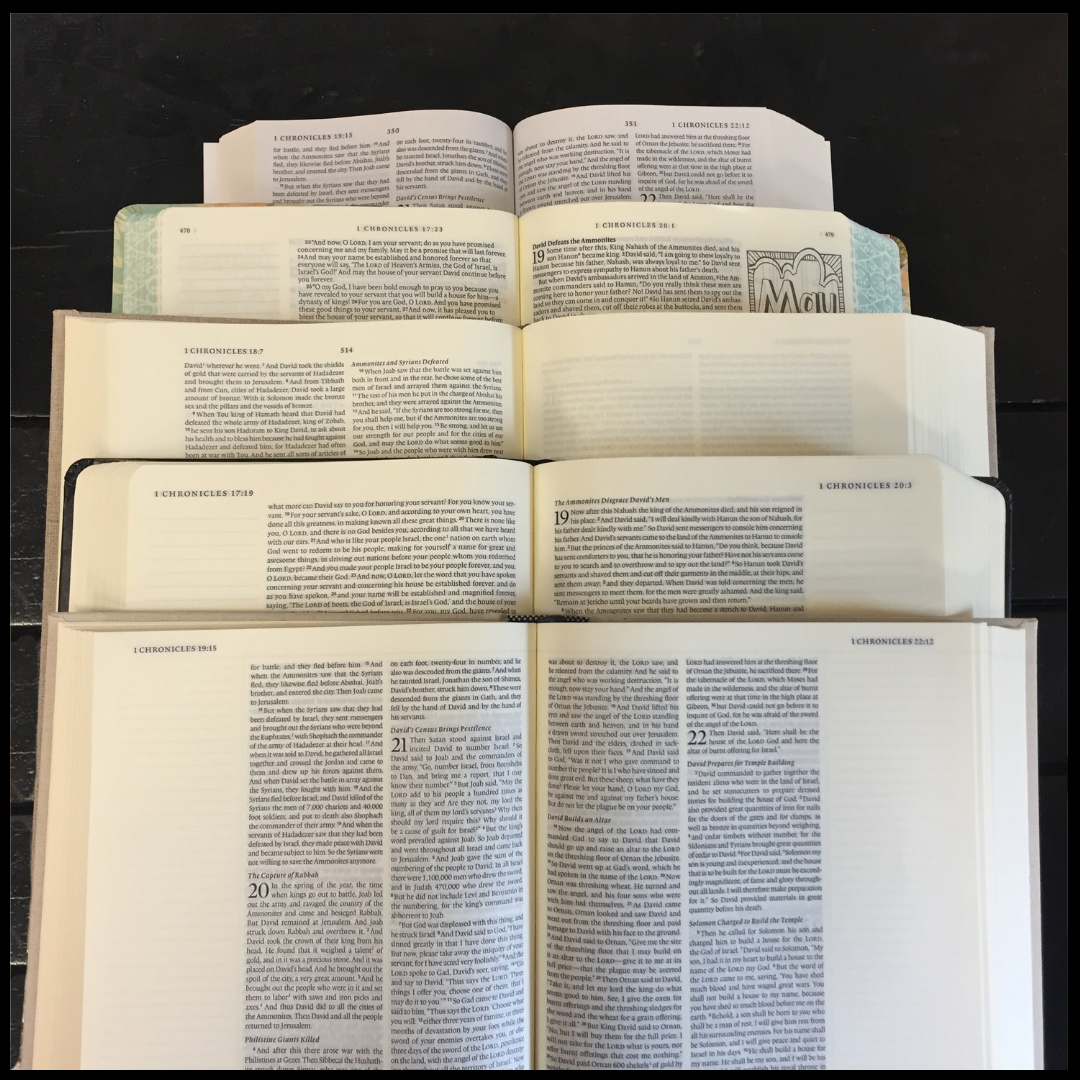
The first step is simple: choose a Bible that works well for journaling.
You can journal in any Bible, but many women love using a journaling Bible with wider margins or extra space for notes. That extra room makes it much easier to write your thoughts, highlight words, or add simple creative touches.
If you’re trying to decide which Bible is right for you, I’ve shared a helpful Bible journaling selection tool on my website that can guide you.
The goal here is not to find the “perfect” Bible. It’s just to choose one that makes it easy for you to begin.
2) Choose a Verse That Speaks to Your Heart
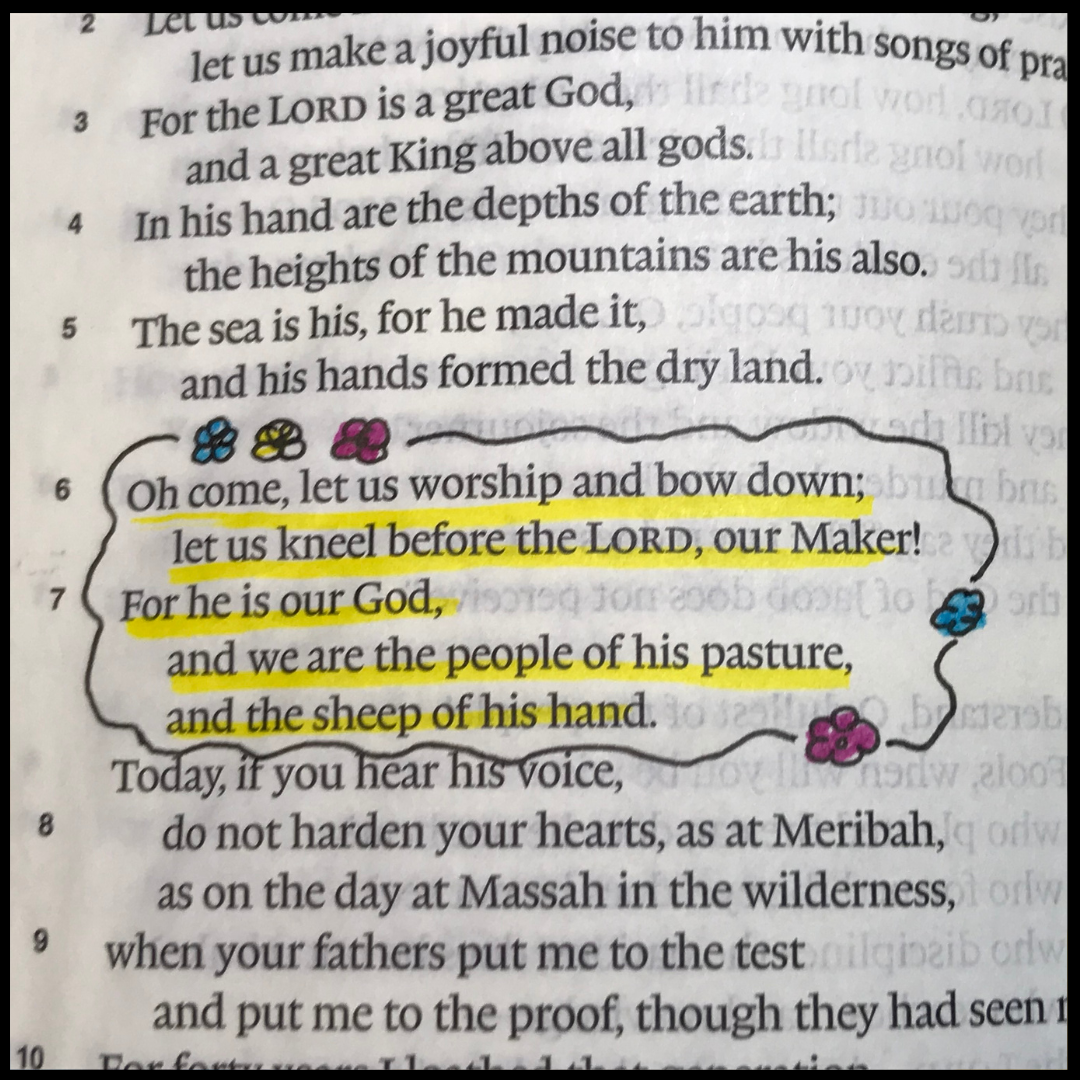
Once you have your Bible, start with one verse or short passage.
Pick something from your personal Bible reading, a church message, or a verse that feels especially meaningful in this season of life. You don’t need to journal an entire chapter to make it meaningful.
In fact, starting small is one of the best ways to keep Bible journaling simple.
One verse is enough.
Read it slowly. Read it again. Let it settle in your heart.
 3) Reflect on What the Verse Means in Your Life
This is where Bible journaling becomes deeply personal.
As you sit with the verse, ask yourself:
- What is God showing me here?
- What stands out to me?
- What do I need to remember?
- Is there a promise, warning, comfort, or encouragement in this verse for me today?
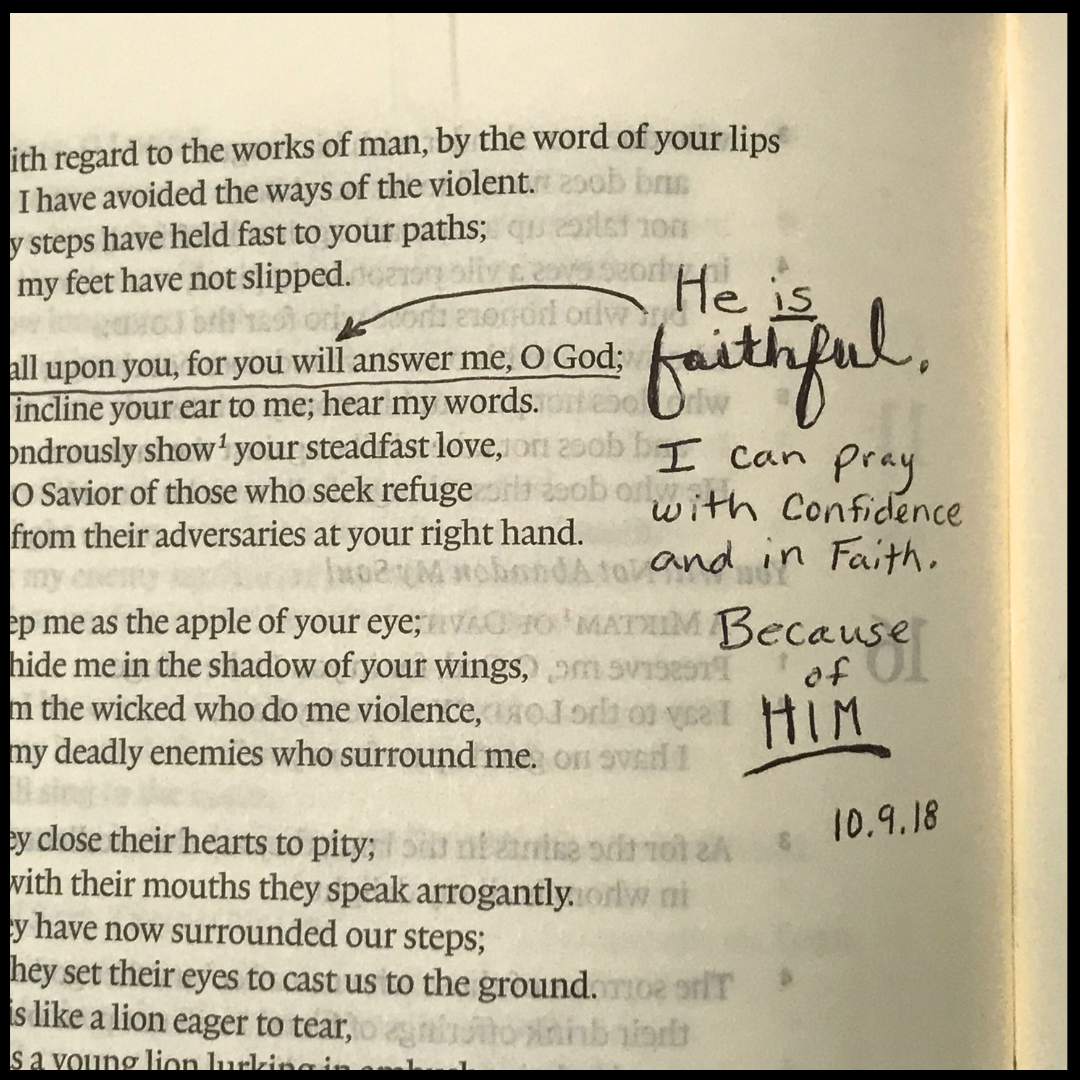
Then write down your thoughts in the margin or in a notebook.
You can jot down a prayer, a few words, a personal story, or even just one sentence about what the Holy Spirit is impressing on your heart.
Don’t overthink it. You’re not writing for anyone else. You’re responding to God.
4) Keep the Creative Part Simple
You do not have to be an artist to Bible journal.
Let me say that again because it matters: you do not have to be an artist.
Start with easy, no-pressure creative touches like:
- highlighting key words
- underlining phrases
- circling repeated words
- adding a small doodle
- using colored pencils for emphasis
That’s it.
These simple details can make your page feel meaningful and beautiful without making it feel overwhelming.
Bible journaling can be as easy as a pen, a highlighter, and a prayer.
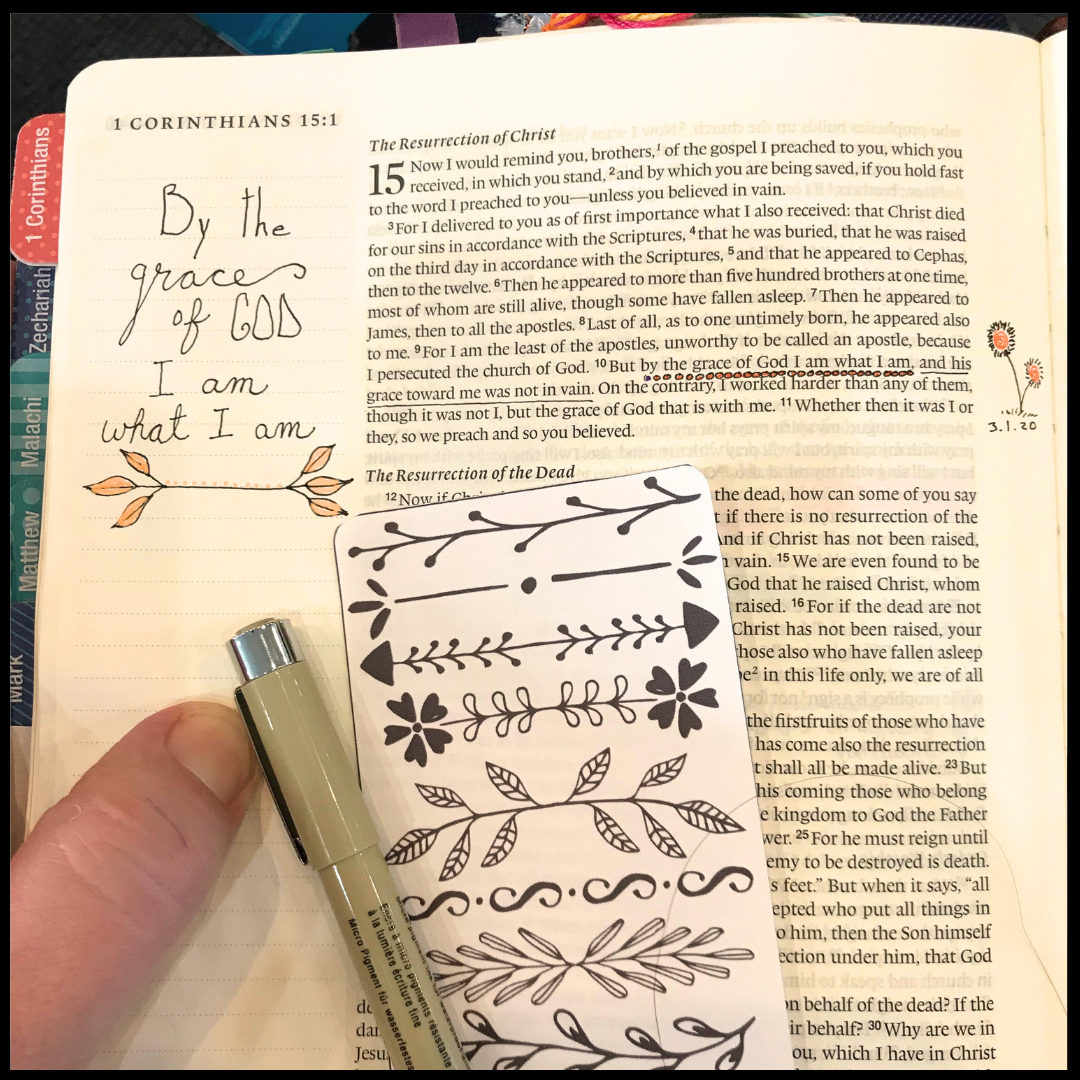
5) Add Decorative Handwriting (Only If You Want To)
If you enjoy handwriting or lettering, this can be a fun way to add a decorative touch to your entries.
You can write a key word a little larger, try a different style of handwriting, or practice simple lettering for verse titles. It doesn’t have to be fancy. Even a slightly bolder word can make your page feel special.
And if hand lettering is not your thing? That is completely okay too.
This is optional, not required.
Bible journaling should support your time in the Word, not stress you out.
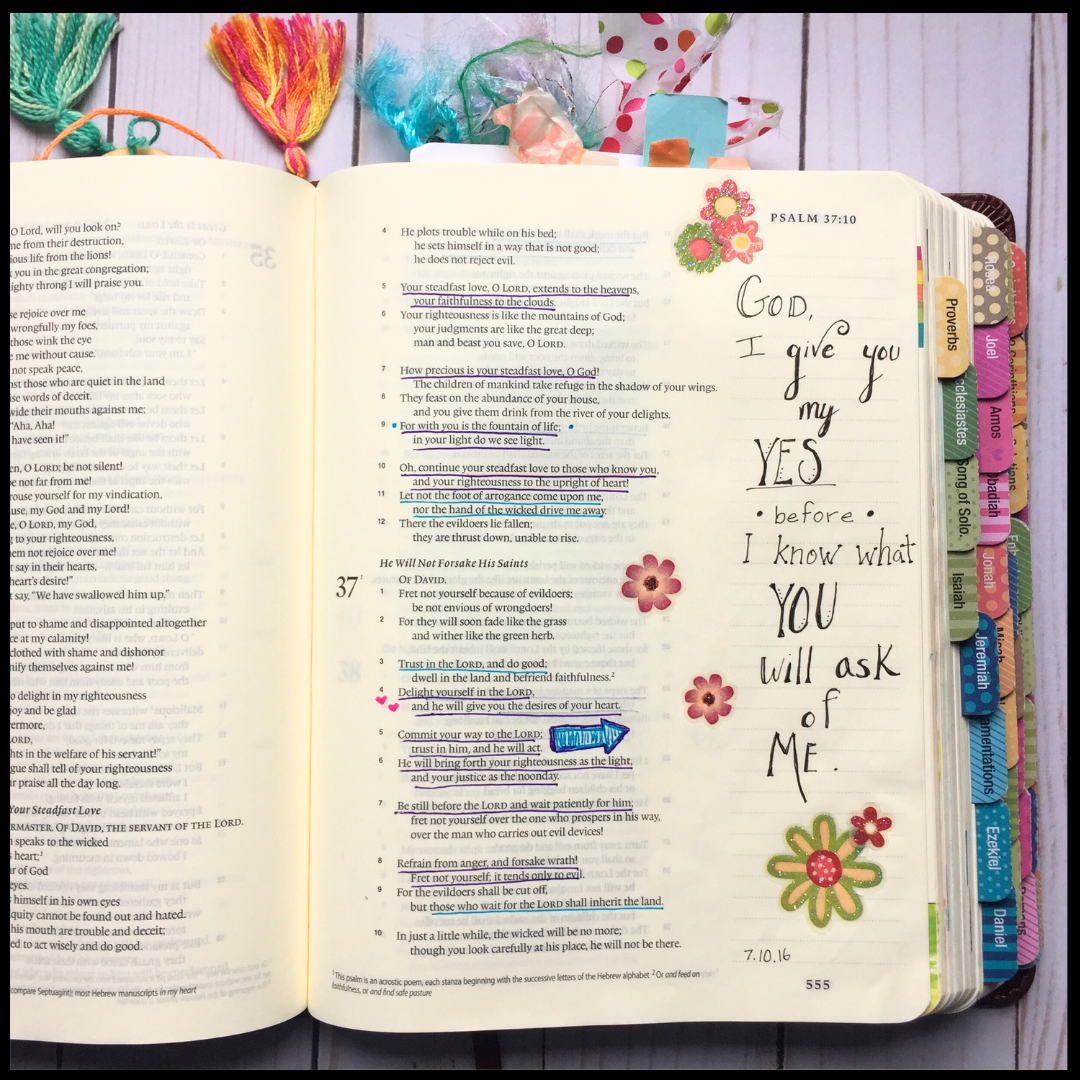
6) Use Easy Supplies Like Stickers and Washi Tape
If you want to add a little flair without a lot of effort, stickers and washi tape are a great place to start.
Washi tape is especially fun because it comes in so many colors and patterns, and it’s easy to use. You can add a little strip to the top or side of the page for color and interest—no mess, no drying time, no pressure.
Stickers are another great option for beginners because they instantly make a page feel finished.
Simple supplies can go a long way.
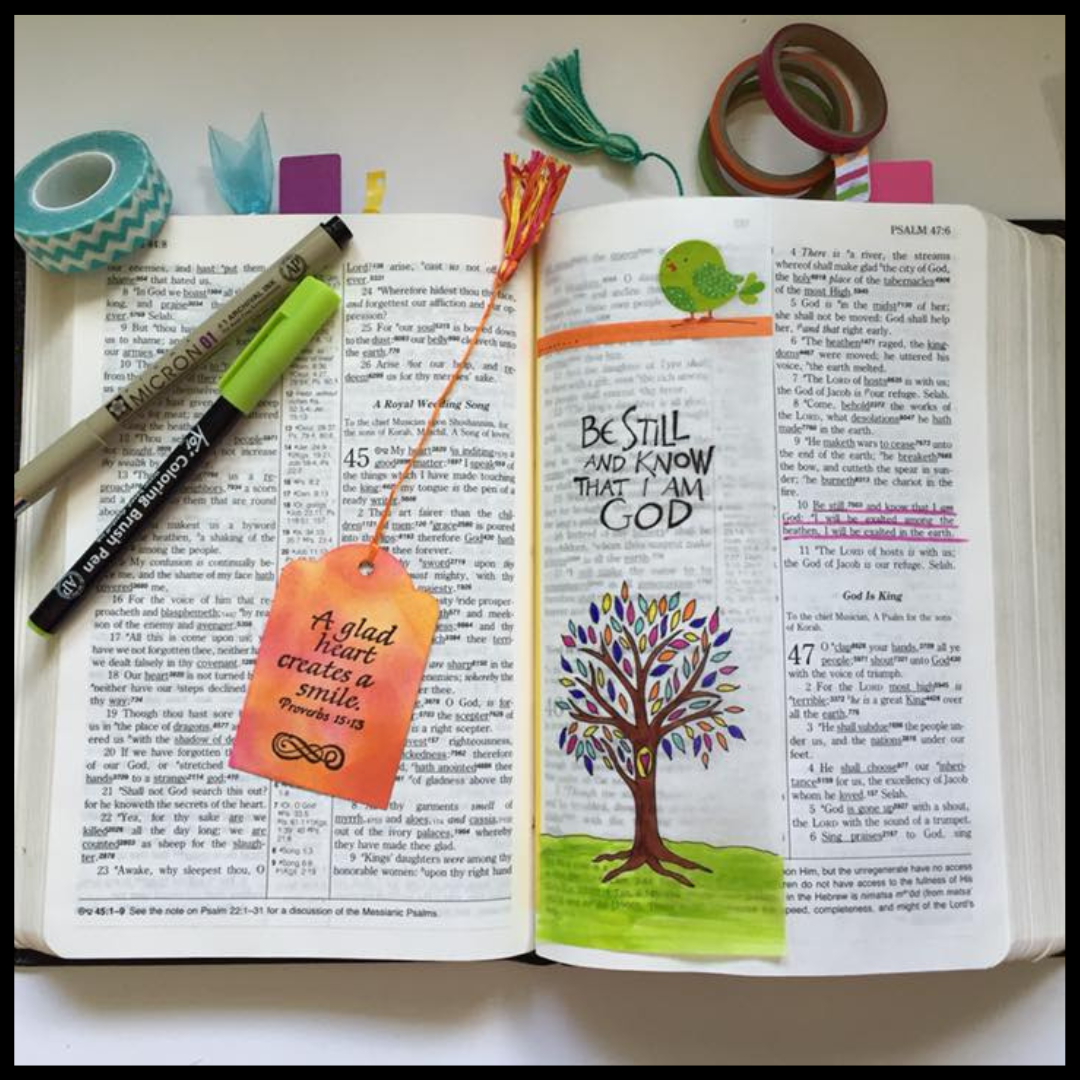
7) Remember: Your Page Doesn’t Have to Look Like Anyone Else’s
This one is important.
It’s easy to compare your page to what you see online, but your Bible journaling doesn’t need to look like someone else’s page to be meaningful.
Some entries will be colorful. Some will be simple. Some will just be notes in the margin. All of it counts if it helps you engage with scripture.
Your page is not a test.
It’s a response.
And the more you practice, the more natural it will feel.
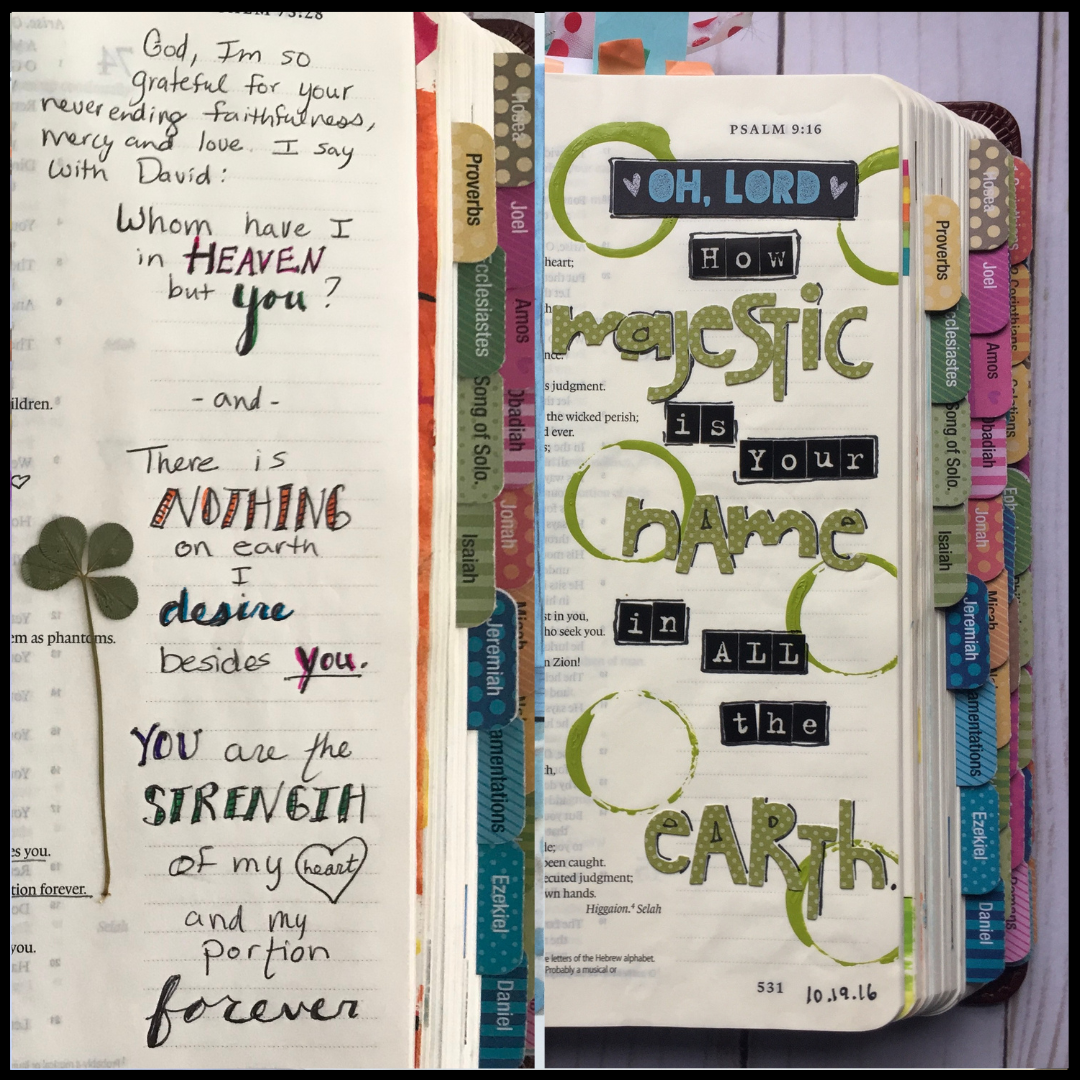
8) Share Your Journey and Encourage Someone Else
One of the most beautiful parts of Bible journaling is the community that can grow from it.
If you’re comfortable sharing, post your page in our Everyday Faith Facebook group (and if you haven’t joined us yet, I’d love for you to come be part of it!). You can also show a friend at church or text a photo to someone who needs encouragement.
You never know who might be inspired by your “simple” page.
What feels small to you might be exactly what gives another woman the courage to begin.
The Bottom Line
Bible journaling does not need to be complicated.
You can keep it simple and still make it meaningful.
Start with a verse.
Write what God is showing you.
Add a few easy creative touches if you want.
And let the process draw you closer to Him.
That’s what matters most.
So if you’ve been waiting until you feel “artistic enough,” let this be your sign to begin now—just as you are.
Your Bible journaling journey doesn’t have to be perfect to be powerful.
If you enjoyed this post, I’d love to keep encouraging you. Subscribe to the Bible Journaling Idea Kit to get all the supplies delivered to you in physical mail or digital printables. Your choice. It makes it so much easier to get started and stay consistent when you have everything at your fingertips.